


Package rooms are no longer a minor operational issue for apartment communities. When they overflow, residents get frustrated, staff lose hours of productivity every week, and management ends up reacting instead of planning. Learning how to choose the right apartment package management system has become a critical decision as opposed to a simple technology upgrade.
Package volume continues to grow year after year as online shopping becomes the default for residents, especially in high-density multifamily properties. These pressures explain how package management benefits apartment complexes that move away from staffed front desks.
Worldwide, there are 2.77 billion online shoppers, representing roughly 33% of the world’s population. Investing in the wrong apartment package management system can actually make the problem worse by slowing intake, limiting capacity, or increasing staff involvement instead of reducing it. This guide focuses on what actually matters during the buying process, not just what vendors claim on their websites. We look at why package rooms are the way of the future, and why package lockers fail in large apartment buildings. By the end, you’ll have a clear framework for how to evaluate a package management system with confidence before making a long-term decision.
6 Must-Have Features
When choosing a multifamily package delivery solution, the features matter more than the brand name. Many solutions promise convenience, but only a handful actually solve the real operational challenges that property teams face every day. The right features determine whether staff time decreases, resident satisfaction improves, and package volume becomes manageable instead of overwhelming. That’s why it’s important to focus on the must-have features in a package management system rather than simply comparing vendors. These should reduce manual work, speed up deliveries, and make package pickup easier for residents. Below are the most important software features to evaluate when determining how to choose the right apartment package management system:
- Automated Resident Notifications
- Self-Service Pickup
- Capacity for Peak Volume
- Delivery-Friendly Intake
- Audit Trail and Reporting
- Property Management Integration
1. Automated Resident Notifications
A reliable package notification system for apartments is essential. Without automated package notifications, staff end up answering constant “Did my package arrive?” questions, which quickly becomes a daily time drain. Systems such as the Smart Package Room solution send instant alerts with a QR code for secure entry and pickup instructions, which reduces front-office interruptions and improves the overall resident experience.
2. Self-Service Pickup
Look for a self-service package pickup system that allows residents to retrieve packages without staff assistance, any time day or night. True 24/7 package pickup for apartments is one of the biggest operational advantages a modern system can provide. It removes dependency on office hours and ensures residents can pick up deliveries whenever it’s convenient for them.
3. Capacity for Peak Volume
Not all apartment package management systems are built for high demand. With global parcel shipping projected to grow at a compound rate of 8.5% through 2027, the need for effective multifamily package management is not going away. Strong package room capacity planning ensures the solution can handle peak periods such as holidays, move-in season, and popular eCommerce sales events. If a system can’t support high-volume, it won’t solve the long-term problem — it will delay it.
4. Delivery-Friendly Intake
An efficient package intake process for apartments matters just as much as smooth resident pickup. If couriers or staff struggle with delivering packages into the system, they may skip it entirely. A fast package intake system should allow couriers and staff to complete a delivery in seconds without complicated steps, which improves adoption and avoids package clutter.

5. Audit Trail and Reporting
A strong package tracking system for apartments should provide clear visibility from delivery to pickup. Detailed digital package tracking records help resolve disputes, reduce lost-package claims, and give property teams confidence that every delivery is documented properly.
6. Property Management Integration
Finally, look for strong package management system integration capabilities. Seamless property management software integration ensures resident information stays accurate and eliminates the need for manual updates. This reduces errors, saves time, and makes the entire system easier for staff to manage long term.
5 Questions to Ask Every Vendor
Choosing the right system becomes much easier when you approach the process with a clear evaluation framework and a short list of questions to ask a package management vendor. The right questions help you understand how the system performs in real-world situations. This will make it easier to understand how to evaluate a package management system before buying, not just how it looks in a demo.
- What happens when oversized packages arrive?
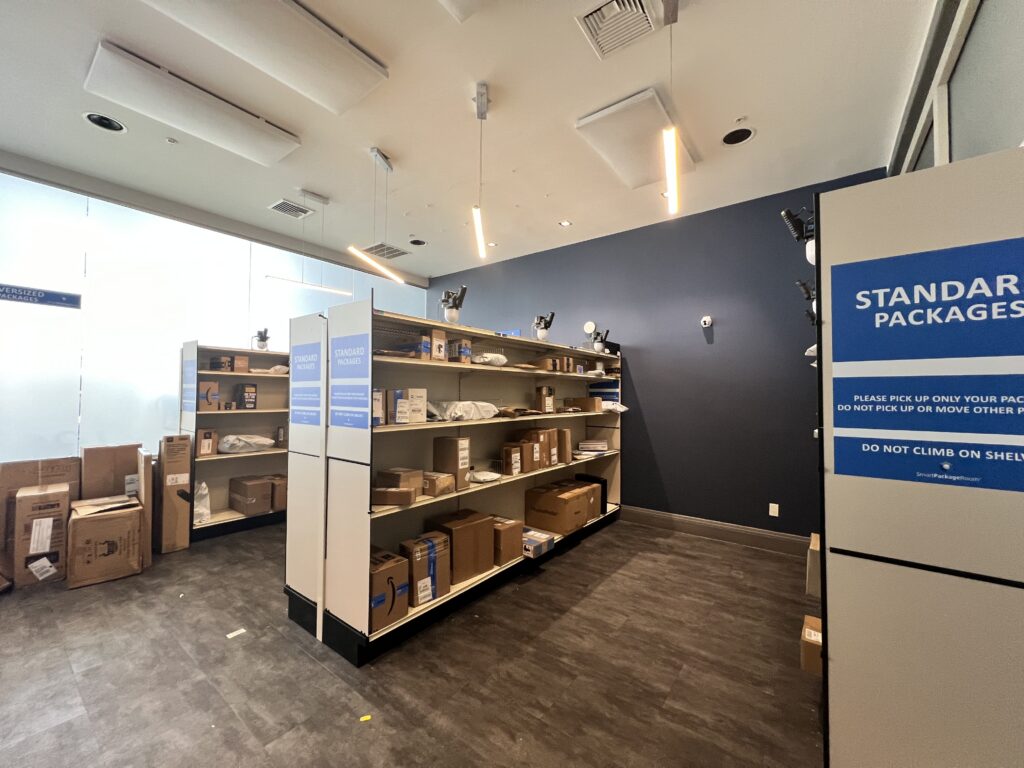
Systems like lockers only work well with standard parcel sizes, which becomes a problem the moment large deliveries show up. Make sure the vendor can clearly explain how oversized items are handled during both delivery and pickup. The Smart Package Room system, for example, features a zone specifically dedicated to oversized packages. All large items, from furniture to workout equipment, are stored in the proper area inside of a secure, access-controlled room. - How long does the intake process take for a typical delivery?
A complicated delivery process slows down couriers and increases the chance they skip the system altogether. If staff manage deliveries, a slow intake process will compound labor inefficiencies. This is one of the most important package management system comparison questions because it directly impacts adoption. - What is your average support response time?
Even the best systems need support occasionally. Ask how quickly the behind-the-scenes team responds, whether help is available during peak delivery hours, and what happens if the system goes down. - Can you provide a reference from a property similar to ours?
Feedback from a comparable community — especially one with similar package volume — will give you a far more realistic view of how the system performs day to day. The best multifamily package management systems will have strong word-of-mouth testimonials. - How does the system perform during peak package volume periods?
A solution that works well during a demo may struggle during holidays or move-in season. In 2025, Cyber Weekend eCommerce sales reached $11.8 billion, with no signs of shrinking in the future. Ask how the system scales so you can understand whether it’s built for high volume, or just average conditions.
Red Flags When Evaluating a Package Management System
Understanding the red flags when choosing a package management system can save a property from a costly decision that creates more problems than it solves. While most vendors highlight features and benefits, potential warning signs usually show up in the details, during demos and follow-up conversations.
One of the biggest mistakes when selecting a package management system is choosing one with a lengthy intake process. If it takes more than 30 seconds for a courier or staff member to complete a delivery, system adoption will wane. Another concern is vague capacity numbers. If a vendor can’t clearly articulate how many packages the system can handle during peak periods, it’s a sign the solution may not support long-term growth. You should also be cautious if a vendor pushes for a quick signature before you’ve had time to compare options, speak with references or view a thorough system demonstration.
These warning signs often lead to common mistakes, and recognizing them early is the best way to understand how to avoid choosing the wrong package management system.
Making Your Final Decision
Once you’ve narrowed your options, the final step is focusing on real-world performance rather than promises. The best way to do that is to request a short trial period and involve the people who will use the system every day. Staff feedback often reveals details that aren’t obvious during a demo and makes it much easier to compare apartment package management systems based on real-world usability, not just advertised features.
It’s also important to look beyond the upfront price and calculate the total cost of a package management solution over time. Consider staff hours saved, reduced package disputes, and how well the system can handle future package volume growth. A solution that performs well today but struggles during peak periods will cost more in the long run.
Taking the time to test the system, gather staff input, and evaluate long-term value is ultimately the most reliable way to understand how to choose the right apartment package management system with confidence.
Frequently Asked Questions About Choosing the Right Apartment Package Management System
To help property teams make confident decisions, here are answers to some of the most common questions about choosing the right apartment package management system:
1) How do I know if a system can handle my peak package volume?
Ask vendors for real-world capacity numbers and request references from properties with similar package traffic. Systems should clearly outline performance during holidays and move-in periods.The ability to scale up for busy periods is one of the primary differences between lockers and package rooms.
2) What features are truly essential?
Focus on resident notifications, self-service pickup, carrier-friendly intake, audit trails, and integration with property management software. These are the core features to look for in a package management system.
3) How do I compare costs effectively?
Calculate the total cost of a package management system, including hardware, software, maintenance, and staffing savings, rather than just the upfront price.
Make the Best Choice: Confidently Selecting Your Apartment Package Management System
By now, you have a clear framework for what to look for in a package management system: evaluate features carefully, ask the right questions, and watch for red flags that indicate a system may fall short. This approach helps you make informed decisions without relying solely on vendor promises.
Using this process, you can confidently assess any solution and determine which one will deliver the most value for your property. When you’re ready to see how a modern, fully integrated system performs under real-world conditions, contact the Smart Package Room team for a free, quick system demonstration.