


There’s no stopping the summer move-in rush. June through August drives the bulk of apartment moves in the United States. For buildings with 200 or more units, those three months tax property systems in the same way as the holiday shopping season. Your team will face turnover, a spike in package volume, heavier front-desk traffic, and more liability exposure, all in the same window. Strong summer move-in surge management is what separates a smooth season from a chaotic one.
It’s during this moment that operations directors see the true value of a Multifamily Package Delivery Solution, an open-shelf, open-zone system that scales with peak-season volume so that it can absorb the surge without hiring new staff. This guide gives you an operations playbook for the summer surge: what to plan 30 days out, how to keep the front desk from drowning, the mistakes that cost you the most, and the metrics that prove your building is ready.
Why the Summer Move-In Surge Breaks Standard Systems
If it feels like your package volume doubles every summer, you’re not imagining it. The warm months pack relocations into a tight window, straining the limits of your package room. The summer months are the most popular stretch for renters to relocate, and multifamily turnover peaks in the second and third quarters, according to Multi-Housing News. This means that move-outs and move-ins tend to stack up in the same weeks, and your team is expected to absorb a season’s worth of churn in a small portion of the year. The National Apartment Association points to the same pattern, with operators bracing for peak leasing season as schedules, weather, and school calendars push families to move during this period.
Turnover is only half the story. Every new resident arrives with a wave of deliveries. New furniture for the new space, household supplies, and first-week essentials all land at your door within days of move-in. A single unit turn can mean dozens of packages and oversized deliveries for every resident. In addition to mattresses, couches, and kitchen gear, small online orders fill the gaps. Multiply that across every turning unit, and package volume climbs sharply right when your staff is busiest with leasing, tours, and unit prep.
These excess deliveries are what can break any package management system. Lockers overflow, lobbies fill, and packages go missing during the exact stretch when residents form their first impression of your community.
Summer Move-In Surge Management: Five Moves to Make 30 Days Out
The buildings that plan for the move-in rush in spring stay calm in the summer. If your property has 200 or more units, give yourself at least 30 days to set up before the first truck arrives. These five moves will help you avoid a package-related summer fire drill.
Audit Package Room Capacity and Plan Overflow Staging
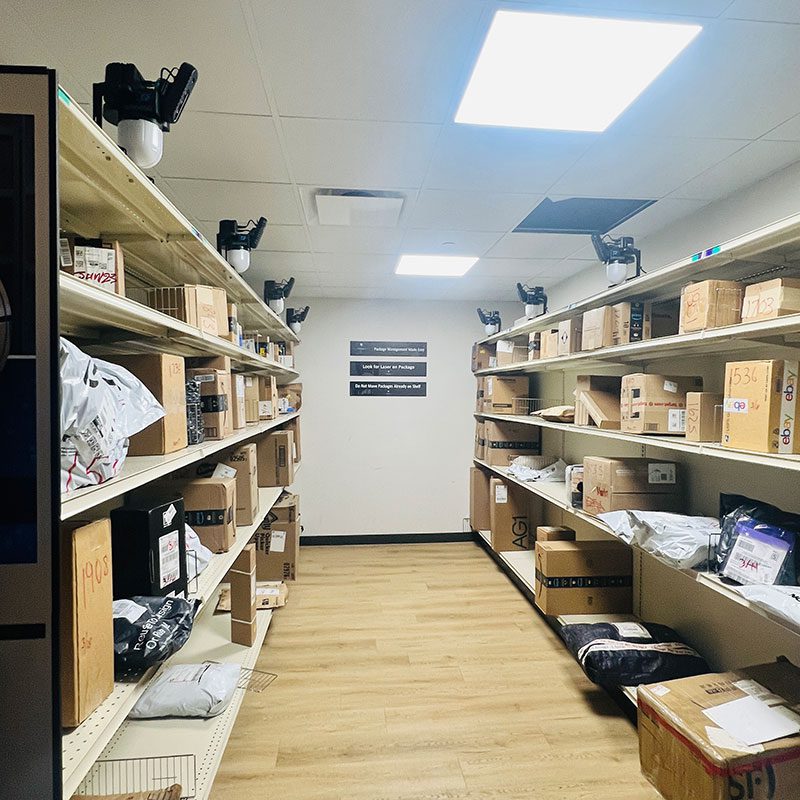
Start by counting what you actually have. Walk your package room and check the portal to measure real shelf capacity against your normal daily volume, then against a surge week running 30% to 50% higher. If the math doesn’t work, you need overflow space before June, not after the package room is full. Identify a secondary staging area for oversized items and high-volume days, and label it clearly so couriers and staff use it consistently. The Smart Package Room system is helpful here because it features open shelves and open zones that hold three times as many packages as lockers in the same footprint. This buys you room as volume climbs. The layout is optimized for package efficiency, and includes zones for standard, flat, oversized, cold storage, and dry cleaning items.
When you walk the package room and perform the audit, you’ll enter June knowing the room can handle the additional volume without spilling into the lobby or hallways.
Schedule Extra Staff Coverage for Summer Saturdays
Move-ins cluster on weekends, with Saturdays in June, July, and August being the heaviest. Build your staffing plan around that reality. Schedule your existing, trained team for extra coverage on those Saturdays instead of scrambling for last-minute help. Stagger shifts so the front desk has backup during peak delivery and move-in windows, not just at open and close. Confirm the schedule weeks ahead so people can plan their summer activities around it, which cuts down on call-outs. Lean on your regular staff rather than a wave of temporary hires, because trained team members already know your building, your residents, and your systems. If you do bring in extra help, give them a defined, simple role so they add value quickly without slowing everyone down.
The right coverage plan keeps the desk responsive even when couriers, trucks, and new residents arrive at the same time.
Pre-Register Every Move-In in the Package Management System
Every new resident should exist in your package management system before they pick up their keys. Pre-registration is the quiet step that prevents a week of friction. Because the Smart Package Room system integrates directly with the leading property management platforms, residents’ first deliveries will be automatically logged into the system and trigger an automatic resident notification. That means a package arriving on day one will be ready for self-service pickup.
Done early, a successful resident list sync turns the first wave of move-in deliveries into a non-event. Done late or done manually, it becomes a backlog your team works through while frustrated residents wait for their packages at the counter.
Confirm Carrier Delivery Windows and Access Codes
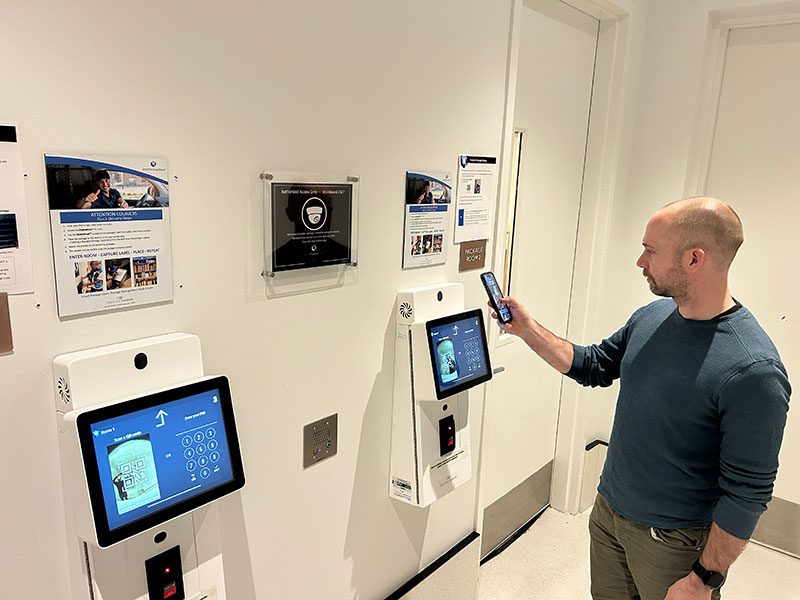
Couriers deliver far more packages during the surge, so they need a clear, predictable path into your building. Reach out to your regular Amazon, UPS, FedEx, and USPS drivers before June to confirm delivery windows and Smart Package Room system access codes. A courier who can’t get in or can’t find the package room will skip your building and arrive the following day with a larger package haul. For this season in particular, make sure access codes are current and signage points the way to the package room. If you use an access-controlled package room like the Smart Package Room system, verify all courier credentials. The system’s MobileKiosk™ lets couriers and staff log packages in seconds using OCR (optical character recognition).
Solid carrier coordination is one of the cheapest, highest-impact moves you can make before the summer move-in surge.
Schedule Maintenance for Non-Peak Weeks
Turnover and maintenance can peak at the same time as deliveries, so protect your calendar before the surge arrives. Map your expected move-out and move-in dates, then schedule paint, repairs, and inspections for the gaps between peak weeks. Front-load the work you control, like common-area upkeep and preventive maintenance, into late spring so it’s done before July. Talk to your package management support team to discuss overflow possibilities ahead of the package volume increase. Hold your peak weeks open for unit turns that must happen on a deadline. Finally, review your property management platform to ensure that maintenance requests, turn status, and move-in dates live in one view.
With everything in front of you, you will avoid double-booking staff during the busiest stretch of the year. When the package room runs itself, your maintenance crew will be afforded breathing room to keep turns on schedule, which is what actually keeps move-ins moving.
How to Reduce Front-Desk Overload During Summer Move-Ins
The front desk is where the summer surge becomes visible to everyone. Unanswered questions turn into a line at the counter, and the most common question is always the same: where is my package? Self-service pickup removes that question entirely. When residents get an automatic text or email with a QR code and PIN, they collect their own packages 24/7 without waiting on staff.
With the Smart Package Room system, automatic notifications replace the manual calls and emails that derail a front-desk staff’s morning. All packages are logged into the system with a time and date stamp, as well as the location of the package on the shelf or in the appropriate zone. In the rare cases where a resident disputes a delivery, the full digital chain of custody is easily accessible from the portal, with no staff investigation required.
Together, these features drive real front desk workload reduction during the exact weeks your team has the least time to spare. Strong summer move-in surge management leans on technology here, so reducing staff involvement carries far more volume than a manual process ever could.
Common Mistakes in Summer Move-In Surge Management
Properties that fall into predictable traps risk turning a manageable multifamily package surge into an untenable mess. Here are the five mistakes that cause the most damage:
- Underestimating how much new residents order: New residentsbuy far more than established residents, so planning for normal volume guarantees an overflow within the first week.
- Leaning too hard on temporary staff: Temps need thorough training before they’re useful, and that training time often eats into the help they provide during a short surge.
- Ignoring courier coordination: When couriers can’t find a clear delivery point or a working access code, they linger or skip the building, and packages pile up.
- Failing to communicate a clear pickup policy: When clear pickup instructions aren’t posted or digitally communicated, residents guess and force staff to repeat the same instructions all day.
- Letting package dwell time creep past five days: Stale packages eat up shelf space you need for the next wave of new resident deliveries.
Good summer move-in surge management gets ahead of all five of these points before June, not during it.
Measuring Your Summer Move-In Surge Management Readiness
You can’t manage what you don’t measure, so keep an eye on these four numbers during the busy summer season:
- Package volume: Track a normal-week baseline, then compare it against last year’s surge weeks so you can see the increase coming and staff for it instead of reacting to it.
- Front-desk minutes per package: This single metric shows how much staff time each delivery consumes, and it should fall sharply once self-service pickup is in place.
- Resident complaints during the surge: Break these out from the rest of the year so you understand if the move-in surge is impacting resident satisfaction.
- Lost and misdelivered package incidents: A secure, access-controlled system with a digital chain of custody should keep lost packages very rare, even at peak volume.
Reviewed weekly, these four metrics provide a summer move-in surge management scorecard that your team can act on.
Frequently Asked Questions about Summer Move-In Surge Management
1. How Do You Handle Summer Move-In Surge Management at a 200+ Unit Building?
Start 30 to 60 days out. Pre-stage your package room capacity for a 30% to 50% volume increase, plan overflow zones for oversized items, and confirm courier access codes before peak weeks. Pre-register every incoming resident in your package management system so deliveries log instantly. Add self-service pickup so residents collect their own packages 24/7. Effective summer move-in surge management at a large building comes down to setting up the system in spring, then letting it carry the volume while your team handles move-in logistics.
2. When Does the Summer Move-In Surge Actually Start?
It starts in late May and runs through August, with the heaviest weeks usually landing in June and July. Roughly 60% of US moves happen between May and August, so the ramp begins as soon as spring leases expire. Plan for the surge to arrive earlier than you expect, since early move-ins and pre-orders often hit before the official lease-start dates.
3. How Much Does Package Volume Increase During the Summer Surge?
Most buildings see package volume rise 30% to 50% above their normal baseline during the summer surge. New residents drive the spike, because setting up a home means ordering furniture, kitchen basics, and dozens of small essentials in a short window. The exact increase depends on your turnover rate, so a property turning 40% of units feels a sharper climb than one turning 15%.
That local jump rides on a climbing national trend. Pitney Bowes counted 22.4 billion US parcels in 2024, up 3.4% year over year, with 30.5 billion projected by 2030.
4. What Staffing Strategies Help with Summer Move-In Surge Management?
Schedule your existing, trained staff for extra coverage on summer Saturdays rather than relying on temporary hires who need thorough training first. Stagger shifts so the front desk has support during peak delivery and move-in hours. The bigger lever is technology. Self-service pickup and automatic notifications reduce the staff time each package consumes, so summer move-in surge management leans on systems instead of headcount. That combination lets a small team absorb a large surge with minimal staff involvement.
5. How Can Self-Service Technology Reduce Front-Desk Workload During Summer?
The Smart Package Room system features self-service pickup that lets residents collect packages whenever they want, using a QR code and PIN, with no front-desk help. That eliminates the constant flood of “where is my package?” questions that could arise during move-in weeks. Automatic text and email notifications replace manual calls, and a digital chain of custody settles delivery disputes from the portal. The result is a front desk that fields fewer interruptions and spends its time on move-in logistics instead of package lookups.
6. Should You Communicate Package Pickup Procedures to Incoming Summer Residents?
Yes, and the earlier the better. Include pickup instructions in the welcome packet, and walk each new resident through package room protocol on their first day. Clear communication is a core part of summer move-in surge management, because residents who know how to pick up packages don’t call the front desk to ask. A two-minute walkthrough at move-in prevents dozens of questions later in the week.
7. What Is the Biggest Mistake During Summer Move-In Surges?
Underestimating package volume from new residents is the most common and costly mistake. Teams plan for a normal week, then get buried when setup orders flood in. Plan for a 30% to 50% increase in capacity and stage overflow space before June. The second-biggest mistake is skipping courier coordination, which leaves drivers without a clear delivery point and knowledge for how to deliver into the package room.
8. Why Should You Pre-Register Every Move-In in the Package Management System?
Key to summer move-in surge management is pre-registering every resident in your package management system before they pick up their keys. It’s a quiet step that prevents a week of package frustration. Because the Smart Package Room system integrates directly with major property management platforms, a resident’s first delivery logs automatically and triggers a notification, so a package arriving on day one is ready for self-service pickup. Done early, the sync turns the first wave of deliveries into a non-event. Done late or by hand, it becomes a backlog your team is forced to clear while residents wait.
9. How Do You Train Summer Temporary Staff on Package Procedures?
Keep it simple and consistent. Give every temporary hire a short front-desk script, a hands-on walkthrough of the package room, and a quick review of how the audit trail works. Thorough training provided to all staff prevents the small errors that create disputes later on. Because the system logs deliveries automatically and guides residents to their own packages, temps should spend less time learning workflows and more time supporting move-in day.
10. How Early Should You Plan for Summer Move-In Surge Management?
Plan at least 30 days out, and give yourself 60 days if your property has 200 or more units. That lead time gives you a window to audit package room capacity, confirm carrier windows, pre-register move-ins, and schedule staff coverage before the first delivery truck arrives. Summer move-in surge management works best as a spring project, not a July reaction. If you want help sizing a system for your building’s volume, talk to a package management specialist before peak season starts.
Putting It Together
Summer move-in surge management isn’t complicated, but it rewards the teams that prepare early instead of reacting in July. Keep four priorities front of mind as you head into the season:
- Plan 30 days out, the summer surge needs setup time that the normal spring schedule simply does not build in.
- Volume rises 30 to 50%, so your regular package room capacity won’t absorb it without overflow staging and a staff plan.
- Self-service ends the calls, automatic notifications replace the constant “where is my package?” questions at the desk.
- Track the right metrics, including dwell time, front-desk minutes per package, lost packages, and resident complaints.
Set these up before June so that the busiest season on the calendar can run like any other week.
Effective summer move-in surge management needs technology that handles a 30% to 50% package volume increase without extra staff. The Smart Package Room system absorbs the surge in buildings like yours, with self-service pickup, automatic notifications, and a secure, access-controlled room. Contact us today to learn about the right system for your property before peak season begins.