
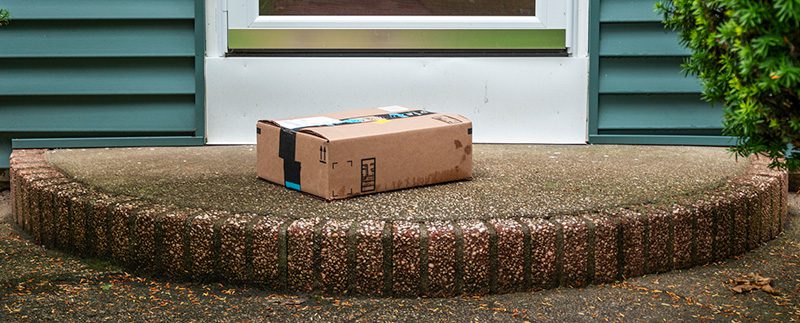

Run the operations math on a 200-unit building. With high annual turnover, you’re processing at least 60 move-outs a year, sometimes more. Each former resident leaves a tail of mail and packages that keep arriving for six to twelve months after they’re gone. That’s a steady stream of ghost packages that trickles in year-round. Multiply this number across a portfolio, and your front desk is quietly spending hours every week on residents who no longer live at your property.
If you’re evaluating a Multifamily Package Delivery Solution to handle that volume across a portfolio, two considerations, the digital audit trail and resident directory integration, matter almost as much as the shelves inside the package room. The same thinking applies to centralizing onsite operations multifamily teams use to tame scattered workflows.
This article lays out the operations workflow that prevents ghost packages from burdening staff. You’ll get six concrete strategies for managing ghost packages from former residents, the legal lines you can and can’t cross, how package technology reduces handling time, the mistakes that create liability, and the metrics that prove if your protocol is working.
Why Ghost Packages Are an Operations Problem at Scale
Ghost packages are parcels shipped to your property that are addressed to residents that no longer live there. They are a volume problem driven by turnover. Multifamily properties see high annual resident turnover, and each move-out generates a six-to-twelve-month tail of forwarded mail and packages that results in added clutter and expense. The National Apartment Association found that turnover costs rose 17.5% year-over-year in 2024, with leasing expenses up 4.6% to $292 per unit. Every hour spent on items left by former residents competes with your already-stretched operating budget.
The hidden cost is staff time. A front desk handling former-resident mail across a few dozen recent move-outs can lose hours every week to sorting, logging, attempting contact, and returning items. That work may be invisible on a budget line, but it’s real, and it scales directly with how many units are turned during the year. The Smart Package Room calculator gives you an idea of what it could be costing you.
Then there’s liability. Mishandling former-resident mail could lead to outsized ramifications. Opening it or discarding it carries federal exposure, while doing either incorrectly can create real legal risk for the property. The combination of steady volume, hidden hours, and liability if you get it wrong, is why strategies for managing ghost packages from former residents need to be accounted for in your operations plan. By documenting a workflow, you can turn an open-ended problem into a routine one.
Six Strategies for Managing Ghost Packages From Former Residents
Here are six repeatable steps that will lead to a reliable approach to this problem. Run them the same way every time, and you’ll be properly equipped to deal with ghost packages in an effective and consistent manner.
1. Update the Resident Database on the Day of Move-Out
The single highest-leverage action that you can take happens on move-out day. Remove the resident from your active resident database immediately. Most ghost package problems trace back to a directory that’s out of date, because a former resident who still shows as active in your system gets treated like a current one. Update the database the moment a resident turns in their keys so the next package addressed to the now-former occupant is flagged the instant it arrives.
Add this step to your move-out checklist so it’s never skipped during a busy move-out season. Most package management systems will automatically sync with your database, but a manual process can also work if it’s consistent. The key takeaway is that an accurate directory on move-out day is the foundation that every other strategy depends on. Skipping it all but guarantees the remaining workflow runs on bad data.
2. Apply a Consistent Mark-and-Return Protocol for All Major Carriers
Educate your staff on the mark-and-return protocol for all major carriers, so that once a ghost package is flagged, they know how to resolve it. For USPS mail, the standard is to mark it for return and let the postal system handle forwarding under its return-to-sender process.
For Amazon, FedEx, and UPS parcels, instruct staff to follow the carrier’s return procedure. Strive for consistency. The same item should be handled the same way no matter which staff member is on shift. Write the mark-and-return steps for each carrier into your staff protocol manual, post them in the package area, and make them part of onboarding. Couriers and staff are expected to handle these returns as part of normal package delivery, so the workflow should fold into routines that already exist.
A documented mark-and-return protocol removes the guesswork that leads to mistakes, and it gives every staff member a defensible, identical answer to the question of what to do with a former resident’s package.
3. Hold for 30 Days, Then Return to Sender, With State-Specific Compliance
Not every item should be returned the moment it arrives. A common operating standard is to hold a former resident’s package for roughly 30 days before returning it, which gives the person or the carrier a window to inquire about or redirect it. The exact holding period and obligations vary by state, so build your holding timeline around the rules where each property operates.
For every ghost package, document the hold location, the start date, and the return date, so that it won’t sit indefinitely and it won’t be returned prematurely. A defined hold-then-return rule prevents the liability of discarding something too soon while abating the clutter of holding ghost packages for long periods of time.
Pair the defined timeline with your digital audit trail so each held item has a clear record of when it arrived and when it must be returned. Be sure to understand state-specific compliance and confirm your holding rules with counsel for each market to avoid unnecessary exposure.
4. Notify the Former Resident via Last Known Contact
Before an item is sent back, make a reasonable attempt to reach the former resident through their last known contact information. Reach out to them with a quick text or email letting them know that a package addressed to them has arrived, and give them the chance to arrange forwarding or pickup. This simple form of outreach is often faster and cheaper than having staff process a full return cycle.
Keep the outreach brief and be sure to document it with the date, time, and former-resident response. This step is key for two reasons. First, it improves the odds that the item reaches the right person, and second, it creates a record that you acted in good faith to return the package to its rightful owner. Capture the former resident’s forwarding details during move-out so know how to contact them in the future.
Review your package management system to see if it can store a resident’s last-known contact alongside the directory. This will speed up follow-up contact with the former resident. Notifying the former resident is a courtesy that also strengthens your documentation, and it frequently resolves a ghost package before the return period runs out.
5. Coordinate With Carriers on Address Forwarding
A long-term fix for ghost packages is ensuring that the address is corrected at the source, which means coordinating with carriers on forwarding. Encourage every departing resident to file a USPS Change of Address, and point them to the carrier-specific portals for redirecting Amazon, FedEx, and UPS deliveries to their new address.
Build the expectation into your lease addendum, so updating delivery addresses is an established part of the move-out process. When forwarding is set up correctly, the tail of ghost packages will shrink on its own, because these items will never reach your building in the first place. To make it easy for your residents, provide them with a simple one-page guide with links to the relevant carrier sites. This strategy will help you reduce ghost package volume before it becomes an issue. When you measure this impact across a portfolio, you’ll see huge gains in staff efficiency.
6. Document the Protocol so Staff Treat Every Case the Same Way
The six strategies only work if they’re written down and followed identically by everyone involved. Document the full ghost package protocol, from database update to mark-and-return to hold timeline to carrier coordination, in one place that your team can reference on any shift. Assign a single point of contact to own the workflow, so all questions have a clear answer and the rare exceptions are handled consistently.
Train every staff member on the protocol during onboarding, and revisit the documented procedures whenever carrier rules or state requirements change. Quality documentation will ensure that strategies for managing ghost packages from former residents become ingrained to the point that they defy staff turnover.
Without it, each staff member improvises, results vary, and the liability risk to your property increases. With it, new hires and staff veterans handle ghost packages the same way, and your property has a defensible, consistent record for every item that passes through.
Legal Compliance: What Property Managers Need to Know
The legal rules around former-resident mail are stricter than many teams realize, and getting them wrong carries real consequences. Federal law prohibits anyone from opening mail that isn’t addressed to you, so staff must never open a former resident’s mail, regardless of intent. They also can’t simply throw it away.
The correct path is to mark it and return it through the carrier’s process, following USPS handling protocols for postal mail. LeaseRunner covers the landlord obligations in depth and is a useful reference from a legal standpoint.
State-specific obligations add another layer. California, New York, Texas, Florida, and Illinois each have their own rules about how long property managers must hold items and what notice they must give to former residents. A single nationwide protocol won’t cover a portfolio that spans markets. Build your holding periods and notification requirements around the law where each property sits, and confirm the specifics with your legal counsel.
Mishandling former-resident mail can lead to federal criminal exposure, plus civil liability if a former resident is harmed by how an item was handled. This is exactly where a documented system protects you. The Smart Package Room system features a digital audit trail that records when each former-resident package arrived, who handled it, when it was picked up, and by whom. This digital security gives you a level of compliance documentation that can help you avoid tricky disputes. If you’re looking to get ahead of any legal liabilities, defensible documentation is one of the best strategies for managing ghost packages from former residents.

How Package Management Technology Cuts Ghost-Package Handling Time
When your team is forced to manage ghost packages manually, there’s a big impact on staff hours. When package management technology is utilized, you’ll get those staff hours back. Resident database integration is key. When you remove a resident from the database on move-out day, the Smart Package Room system automatically flags any incoming packages addressed to that former resident, removing staff from this time-consuming first step in the process.
The system also manages record-keeping. It features a digital audit trail that captures every former-resident package with a timestamp, building the compliance documentation automatically. No more relying on a staff member to log it by hand. Residents’ last-known contacts are in the database as well, making it easier to notify the former resident of their package. And the carrier-forwarding workflow has a defined home inside the system that can be easily accessed by all staff members.
The net effect is that ghost packages become a tracked, low-touch process. When you move past manually logging these errant packages, your team will spend just a few seconds on every item. Plus, the package handling protocol runs the same way whether you have ten move-outs this month, or fifty.
When you evaluate strategies for managing ghost packages from former residents to scale across a portfolio, consider that only through system integration will the workflow survive increasing volume. Technology doesn’t replace the protocol, however, it enforces it automatically, which is just what a busy front desk needs.
Common Ghost-Package Mistakes
Most trouble related to ghost packages comes from a handful of avoidable errors. Here are five that create the most liability and wasted time:
- Opening the mail: Opening a former resident’s mail is a federal violation, no matter the reason, so staff must never do it.
- Throwing mail away: Discarding former-resident mail creates legal exposure. The correct path is always mark-and-return through the carrier.
- Holding items indefinitely without documentation: Packages that sit with no record and no return date will clutter your property and leave you exposed to a compliance gap.
- Running no written protocol: When each staff member handles ghost packages differently, results vary and the property loses its defensible, consistent record.
- Failing to update the resident database at move-out: A stale directory is the root cause of most ghost-package issues, because problems arise when former residents are treated the same as current ones.
Reduce these five errors and most of the risk and wasted hours will disappear with them.
Measuring Ghost-Package Operations Effectiveness
Treat ghost-package handling like any other operations process by measuring it. Here are four metrics that show you whether your protocol is working:
- Ghost packages per month: Track a baseline before you tighten the workflow, then compare it afterwards so you can see whether the process is working.
- Average handling time per ghost package: Measure the amount of staff time each item consumes from its arrival to its return. With a system that has database integration and automated flagging, you should see this number reduced sharply.
- Incidents of misdelivery to former residents: Record how often a ghost package reaches the wrong person. The goal is zero, but that may not be realistic. Still, a documented protocol with an audit trail will help immensely.
- Staff hours per week on ghost-package handling: This is the bottom-line cost metric that ownership cares most about, because it converts directly into recovered labor.
Review these metrics monthly at first, and you’ll soon realize whether your strategies for managing ghost packages from former residents are holding up as turnover rises and falls through the year.
Frequently Asked Questions about Managing Ghost Packages From Former Residents
1. What Are the Most Effective Strategies for Managing Ghost Packages from Former Residents?
The most effective strategies for managing ghost packages from former residents are to update your resident database on move-out day, apply a consistent mark-and-return protocol across carriers, hold items for roughly 30 days before returning them per state rules, notify the former resident through their last-known contact, coordinate with carriers on address forwarding, and document the whole protocol so every staff member handles cases consistently. When executed together, these six steps will give your staff a routine, low-touch workflow for handling ghost packages. Maintaining an updated database coordinating with carriers are the highest-leverage actions to take, because they prevent ghost packages from arriving at your property.
2. Is It Illegal to Open Mail Addressed to a Former Resident?
Yes. Opening mail that isn’t addressed to you is a federal violation. There are no exceptions for former resident’s mail, even when staff have good intentions. The correct response is to leave the item sealed, mark it for return, and send it back through the carrier’s process. Train every staff member on this protocol, because even a well-meaning mistake can create real legal exposure for the property.
3. How Long Should Multifamily Properties Hold Ghost Packages Before Returning Them?
A common operating standard is to hold a former resident’s package for 30 days before returning it. This gives the person or carrier time to redirect it. The required holding period is state-specific, however, so be sure to confirm the rule for each market that your portfolio operates in. Document the arrival date and return date for every held item, so ghost packages don’t sit indefinitely and aren’t sent back too soon.
4. What State Laws Apply to Managing Ghost Packages From Former Residents?
Strategies for managing ghost packages from former residents have to account for both federal and state law. Federal mail law prohibits opening or destroying the mail. At the state level, California, New York, Texas, Florida, and Illinois set their own rules for how long you must hold items and what notice you need to provide a former resident. Because those obligations differ by market, a portfolio that spans states needs holding periods and notification steps tailored to each location, confirmed with their legal counsel.
5. Can Technology Help Reduce Ghost Packages in Multifamily Properties?
Yes, in two ways. Resident database integration flags any incoming package addressed to a former resident the moment it arrives, so staff don’t have to scan names or check lists. Additionally, an audit trail captures every former-resident item with a timestamp, building your compliance record automatically. Together, those features cut handling from minutes to seconds-per-item and keep the protocol consistent across staff. Technology won’t eliminate ghost packages entirely, but it removes the manual logging and recognition work that makes them expensive at scale.
6. How Do You Coordinate With Carriers on Address Forwarding for Former Residents?
Strategies for managing ghost packages from former residents work best when forwarding is fixed at the source. Encourage every departing resident to file a USPS Change of Address, and point them to the Amazon, FedEx, and UPS portals for redirecting parcels. Add this step to your lease addendum and move-out checklist, and hand residents a one-page guide for easy access. Correct forwarding shrinks the volume of ghost packages over time, because the items never reach your building to begin with.
7. What Should Property Staff Do When a Ghost Package Arrives?
Follow the documented protocol without exception. Confirm the addressee is a former resident against the updated database, log the item with an arrival date, and attempt to notify the former resident through their last-known contact. Hold the package for the required period, then mark it and return it through the carrier’s process. It’s vital that you never open it and never discard it. Capturing each step in a digital audit trail gives your property a clean, defensible record if the handling is ever called into question.
8. How Do You Train Staff on Ghost Package Strategies?
Effective strategies for managing ghost packages from former residents start with a written protocol that every new hire learns during onboarding. Assign a single point of contact who owns the workflow and answers questions, so handling stays consistent across shifts. Walk staff through realistic scenarios—sealed mail, an oversized parcel, an item already past the hold window—so they practice the right response before they face it live. Revisit the training whenever carrier rules or state requirements change, and keep the protocol posted at the package area for quick reference.
9. What Is the Liability for Mishandling Former Resident Mail?
It’s significant. Opening or destroying a former resident’s mail can carry federal criminal exposure. Mishandling items can also create civil liability if the former resident is harmed as a result. That’s why a documented protocol and a digital audit trail matter so much; they show that the property acted correctly and consistently. Treat former-resident mail with the same care as any sensitive record, and the liability risk drops to near zero.
10. How Do You Start Managing Ghost Packages From Former Residents at Scale?
Begin by auditing your current volume so you know how big the problem is across the portfolio. Document a single protocol covering database updates, mark-and-return, hold timelines, notification, and carrier coordination, then integrate it with your package management system so flagging and record-keeping run automatically. Train every staff member and assign an owner. If you want help building strategies for managing ghost packages from former residents that hold up across a portfolio, contact our team about how the Smart Package Room system flags former residents on delivery and documents the chain of custody.
Putting It Together on Ghost Packages
Strategies for managing ghost packages from former residents come down to a documented workflow that every staff member runs the same way. Keep four ideas front of mind:
- Volume scales with turnover, high annual resident turnover means a continuous tail of former-resident mail that you have to plan for.
- Federal law applies, never open or discard a former resident’s mail; hold it and return it to the resident or carrier per protocol.
- Database integration ends manual flagging, a connected package system flags former residents the moment an item arrives.
- Document the protocol, a single written workflow across all staff prevents the inconsistency that creates liability.
Put those four in place so that you can establish a routine, low-touch ghost package management process that your team barely notices.
If you’re looking for strategies for managing ghost packages from former residents at scale, technology is the lever that makes the workflow stick. Contact our team about how the Smart Package Room system flags former residents on delivery, stores last-known contact, and documents the chain of custody for every item.