
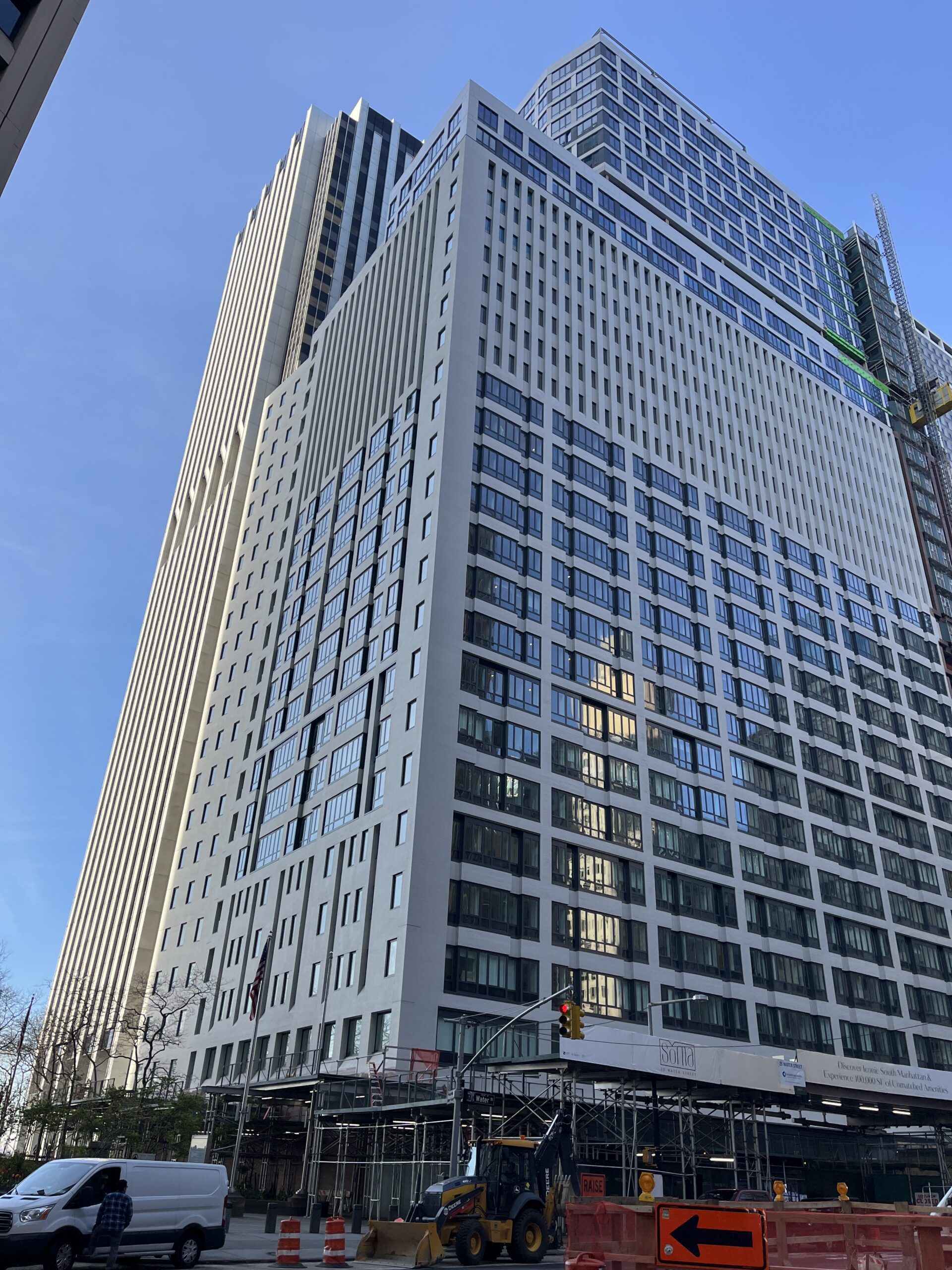

It’s a Tuesday in November. Your 300-unit building logs more than 150 packages before 3 p.m. The front desk is stacked, residents are asking about lost packages, and couriers are already behind schedule. This is the operational reality of managing deliveries in large apartment complexes in 2026, where volume growth continues to outpace traditional workflows.
If you are evaluating a Multifamily Package Delivery Solution for a 200+ unit property, here is what separates systems that scale from the ones that fail under peak pressure. According to Pitney Bowes, U.S. parcel volume reached 22.37 billion shipments in 2024. This rise in package volume continues to compound operational strain year over year.
This article focuses on operations. You will learn how to structure intake, storage, retrieval, and reporting so your team stays ahead of volume. For additional foundational guidance, review these mailroom management best practices to understand where most buildings fall short before scaling.
Why Managing Deliveries in Large Apartment Complexes Breaks at 200+ Units
Package handling feels manageable at smaller properties. At 200+ units, the math changes quickly. Volume scales faster than staffing, and inefficiencies multiply across every touchpoint.
A 200-unit building can receive 75 to 100 packages per day under normal conditions. At 500 units, that number can exceed 250 daily deliveries. During peak season, those numbers double. U.S. parcel volume is expected to hit 30 billion by 2030, showing sustained national growth that directly impacts multifamily operations. Front-desk staff absorb the burden. Multifamily staff spend roughly 60% of their time on repetitive administrative tasks.
Regarding package management, those tasks include intake, sorting, resident inquiries, and lost package investigations. This workload displaces higher-value responsibilities like leasing and resident engagement.
Liability also increases with scale. When packages go missing in high-volume environments, you face reimbursement costs, reputational damage, and operational disruption. A legacy package room designed in the 1990s cannot support modern package volumes. Those systems were built before today’s tracking and increased storage requirements existed.
At this size, delivery management becomes a systems problem, not a staffing problem.
Five Operational Pillars of Delivery Management at Scale
1. Streamline Carrier Intake Under 30 Seconds
Carriers operate on tight schedules. If your intake process takes more than 30 seconds per package, they will deprioritize your building. That creates delivery delays, misplacements, and friction.
Efficient intake requires a standardized workflow. With Smart Package Room systems, couriers enter the package room, capture package label information using a MobileKiosk™, and place packages directly into the correct zone. Staff can support the process but do not act as intermediaries for every package.
When intake slows, packages pile up in unsecured areas such as the lobby, hallways, and public spaces. That introduces risk and increases handling time later. Fast intake keeps packages moving and reduces congestion at the point of entry.
The goal is consistency. Every courier should follow the same process, every time. That predictability is what allows high-volume buildings to maintain control during peak periods.
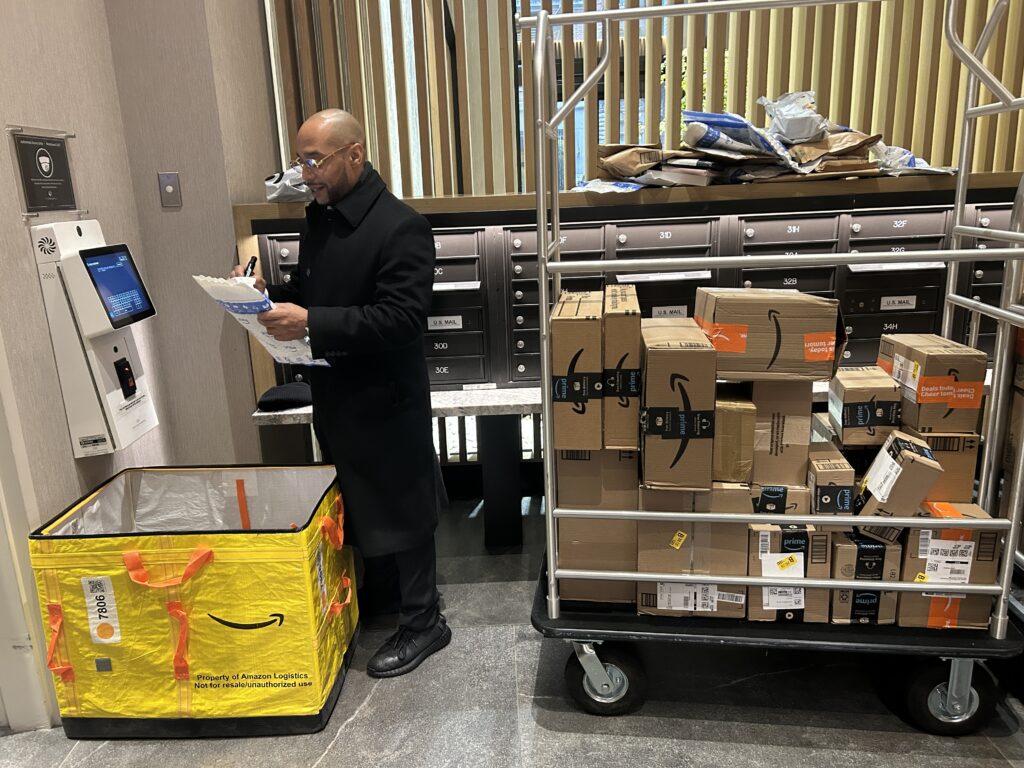
2. Automate Resident Notifications via Text and Email
Resident communication drives operational efficiency. Without automation, your staff becomes the notification system, a practice that does not scale.
When packages are logged during intake, residents should receive immediate notifications via text and email. This reduces inbound inquiries and accelerates pickup. Residents know when their package arrives and how to retrieve it.
Without automated notifications, residents must contact the front desk for updates. That increases call volume, interrupts staff workflows, and creates delays. Over time, this becomes one of the largest hidden costs in package management.
Automation is not optional at scale. It is the backbone of a predictable and efficient delivery workflow that improves staff efficiency and saves residents’ time.
3. Enable 24/7 Frictionless Pickup
Restricted pickup hours create bottlenecks. When residents can only pick up packages during office hours, volume concentrates into narrow windows.
A 24/7 self-service model distributes pickups throughout the day. Residents retrieve packages on their schedule, which reduces congestion and shortens package dwell time.
Frictionless access and pickup is critical. Residents should enter the package room using secure credentials, locate their package quickly, and complete retrieval in seconds. This experience reduces frustration and eliminates the need for staff involvement in routine pickups.
Shorter package dwell times directly improve capacity. Packages move in and out faster, which prevents overflow during peak periods. In high-volume buildings, this is one of the most important operational levers.
The result is a system that works continuously day and night, not one that depends on staff availability.
4. Maintain a Digital Audit Trail and Reporting Structure
At scale, visibility is everything. Without a digital audit trail, you cannot resolve disputes, measure performance, or identify breakdowns.
Every package should have a recorded lifecycle. From delivery into the room to resident pickup, each step is logged. The MobileKiosk captures package intake data, while the Amoeba Module provides precise location tracking within the room.
This digital chain of custody reduces lost package incidents. When a resident reports an issue, you can verify delivery time, placement, and retrieval activity. That eliminates guesswork and accelerates resolution.
Reporting also enables performance tracking. You can analyze package dwell time, intake speed, and package volume trends. These insights inform staffing decisions, layout adjustments, and policy updates.
Without data, you are reacting. With data, you are managing proactively.
5. Deter Theft Through Presence Sensors and Audio Guidance
Package security becomes more complex as volume increases. More packages create more opportunities for theft, especially in shared spaces.
Inside every Smart Package Room system, presence sensors monitor activity 24/7. They detect motion of people and packages, and trigger audio guidance when needed. This discourages unauthorized behavior without creating a surveillance-heavy environment.
Controlled access ensures only couriers, residents, and property staff enter the room. Combined with audit logs, this creates accountability for every interaction.
The goal is deterrence rather than enforcement. When individuals know their actions are recorded and monitored, incidents decrease.
In high-volume buildings, even a small reduction in theft has a measurable impact on costs and resident trust.
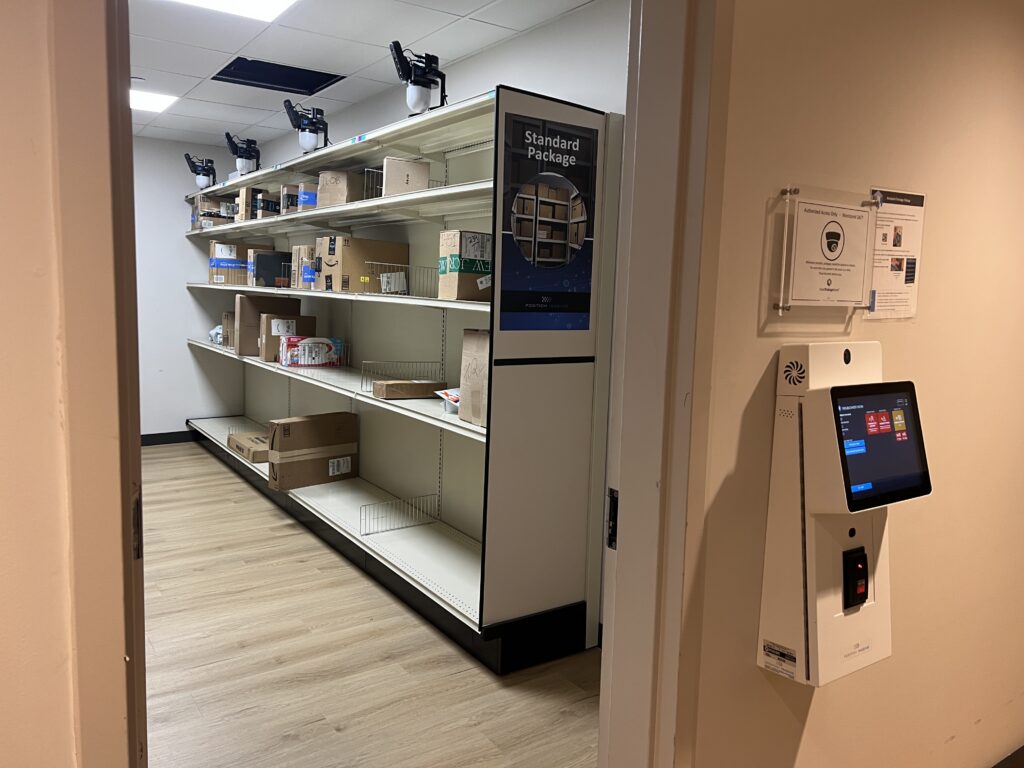
Package Rooms vs. Lockers for Buildings Managing Deliveries at Scale
Lockers work best in low-volume environments. As package volume increases, they suffer from constraints that limit efficiency and capacity.
Open-shelving package rooms provide significantly higher package capacity per linear foot. Most systems hold two to three times more packages than lockers. This difference becomes critical during peak shipping periods when volume spikes.
Lockers also struggle with oversized deliveries. Large packages, bulk items, and irregular shapes do not fit into standard compartments. Package rooms handle these items securely and without issue. Cold storage and dry-cleaning zones are also accommodated.
Cost is another factor. Locker systems often require greater upfront investment despite their limited capacity. Open-shelving systems scale more efficiently, delivering lower cost per package over time. These rising operating costs and labor challenges are driving innovation, such as smarter package management solutions.
The Smart Package Room system combines open shelving and secure zones with advanced computer vision tracking technology. This closes the security gap often associated with open storage while maintaining flexibility and capacity.
Common Mistakes When Managing Deliveries in Large Apartment Buildings
Many buildings struggle with package management solutions because they underestimate operational complexity. These mistakes compound quickly at scale for many reasons:
- Insufficient peak season planning
November and December can double average volume. Without a strategy for oversized items and package overflow, capacity collapses and packages spill into unsecured areas.
- Ignoring courier workflows
If intake is slow or inconsistent, couriers skip proper procedures. That can lead to misplaced deliveries, incomplete logs, and operational breakdowns.
- Lack of a structured communication plan
Without automated notifications and clear instructions, staff become the default source for package updates. This increases inquiry volume and package dwell time.
- Unclear or unenforced holding policies
Packages may remain in the room for seven days or more, reducing available space and increasing clutter.
- Prioritizing upfront cost over operational fit
Lower-cost solutions often fail under increased package volumes, creating higher long-term operational expenses.
Avoiding these mistakes requires a systems mindset, not incremental fixes.
Measuring Delivery Management Success in Large Apartment Complexes
Set and measure KPIs to facilitate systems improvements. In managing deliveries in large apartment complexes, clear metrics define success.
Start with dwell time. The average time a package stays in the room should remain under 48 hours. Longer dwell times indicate pickup friction or communication gaps. Don’t allow residents to use the package room as a storage facility.
Next, track front-desk minutes per package. This is the amount of time front desk staff spend on package management, divided by the number of packages in the system. Establish a baseline before implementing a system, then measure again after 90 days. This shows how much staff time you have reclaimed.
Monitor resident inquiries related to package pickup. A high volume of questions signals issues with notifications or accessibility.
Track lost or misplaced packages per quarter. This metric reflects the effectiveness of your digital audit trail and security measures.
The Smart Package Room system supports these metrics through efficient delivery with the MobileKiosk, and position tracking via the Amoeba Module. Together, they create the data foundation required for continuous improvement.
Frequently Asked Questions About Managing Deliveries in Large Apartment Complexes
What is the Best Approach to Managing Deliveries in Large Apartment Complexes?
The most effective approach to managing deliveries in large apartment complexes combines open-shelving storage, computer vision tracking, automated notifications, and 24/7 self-service pickup. This structure supports high package volume without increasing staff workload. It also reduces lost packages and improves resident experience. Systems that integrate intake, tracking, and retrieval outperform standalone solutions that address only one part of the workflow.
How Many Packages Does a Typical 200-Unit Apartment Building Receive per Day?
A 200-unit building typically receives 75 to 100 packages per day under normal conditions. During peak season, that number can exceed 220 daily deliveries. According to Pitney Bowes, U.S. parcel volume has seen significant growth, increasing 3.4% from 2023 to 2024. As national parcel volume continues to grow, this directly impacts multifamily properties. This growth trend requires scalable systems rather than incremental staffing increases.
What Is the Difference Between a Package Room and a Package Locker?
Package rooms use open shelving and open zones, while lockers rely on fixed compartments. Open shelving provides higher capacity, and open zones support oversized items. Package rooms also accommodate cold storage and dry cleaning. Lockers offer limited space and struggle during peak volume. Cost per unit is also lower with package rooms at scale. For large buildings requiring greater flexibility and capacity, package rooms are the more practical choice.
How Do You Reduce Package Theft in Apartment Buildings?
Reducing theft while managing deliveries in large apartment complexes requires controlled access for secure entry, presence sensors that track the location of people and packages, and detailed audit logs for dispute resolution. These elements create accountability and deter unauthorized activity. The Smart Package Room system integrates all three, ensuring every package interaction is recorded. This approach minimizes incidents and simplifies investigations when issues arise.
How Long Should an Apartment Complex Hold Packages Before Notifying Carriers?
Most properties follow a 5 to 7 business day holding policy. This timeframe balances resident convenience with space management. Clear communication is essential. Residents should receive automatic reminders before packages reach the holding limit. Enforcing this policy helps maintain capacity and prevents overcrowding in the package room.
Can a Package Room Handle Holiday Delivery Volume in Large Buildings?
Yes, managing deliveries in large apartment complexes during peak season is achievable with open-shelving systems, secure open zones, and overflow staging. These setups expand capacity without requiring additional infrastructure. Systems like the Smart Package Room solution are designed to scale during high-volume periods, maintaining efficiency even when deliveries double.
What Technology Do Modern Apartment Package Rooms Use?
Modern package rooms use computer vision tracking technology, label capture devices, automated notifications, and presence sensor monitoring. The Amoeba Module tracks package location, while the MobileKiosk logs intake. Presence sensors monitor the activity of packages and people in the room. Together, these technologies create a connected system that improves accuracy, speed, and security.
How Much Staff Time Can Package Management Consume in Large Complexes?
In managing deliveries in large apartment complexes, staff spend roughly 60% of their time on repetitive administrative tasks. This includes intake, sorting, and resident inquiries. Without a system, this workload grows with volume. Implementing structured workflows reduces this time significantly and frees staff for higher-value responsibilities.
Are There Compliance Issues with How Apartment Buildings Manage Deliveries?
Yes, ADA compliance is a key consideration. Shelving must be accessible, and pathways must allow safe movement within the package room. Systems like the Smart Package Room solution are designed with ADA standards in mind, ensuring accessibility for all residents while maintaining operational efficiency.
How Do You Choose a Delivery Management Solution for a 200+ Unit Building?
Choosing a solution for managing deliveries in large apartment complexes requires evaluating capacity, intake speed, resident experience, audit capabilities, and scalability. Focus on systems that handle peak volume without adding staff burden. A solution that integrates tracking, communication, and access control will deliver the best long-term results. This is where a guided demo can clarify fit.
Focus on the Four Pillars of Operational Success
Managing deliveries in large apartment complexes requires a structured, operations-first approach. Volume will continue to rise, and systems must scale accordingly. The four pillars outlined below provide a framework for consistent performance, even during peak demand.
The fundamentals to remember:
- Operations first, package handling is a director-level workflow, not an amenity checkbox.
- Volume keeps climbing, plan for 2x peak through 2027 based on Pitney Bowes growth trends.
- Open shelving wins, capacity per linear foot beats lockers 2-3x with oversized handling.
- Measure what matters, track dwell time, front-desk minutes, and inquiry volume from day one.
Take Action to Tame the Package Chaos
If you are managing deliveries in large apartment complexes and your current system is not keeping up, book a demo with our team. We will show you how the Smart Package Room system handles high daily volume in 200+ unit buildings, with no locker constraints and minimal staff involvement.